PROVAC Central America: A Gathering to Evaluate, Discern, and Continue Walking Together

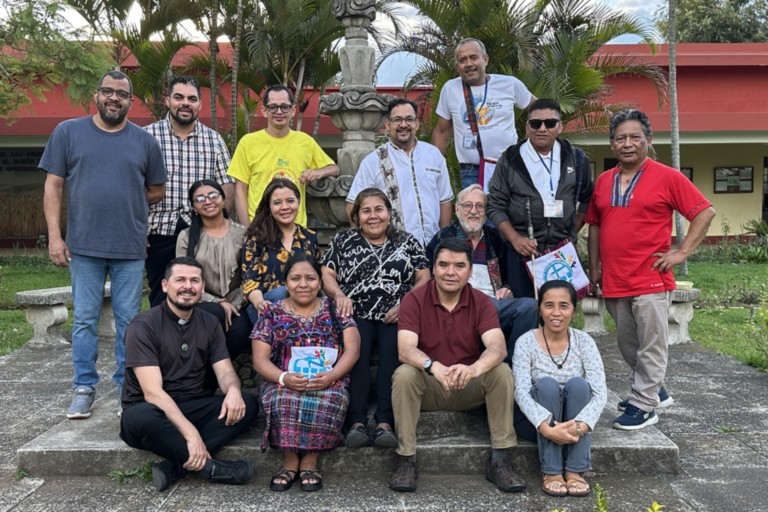
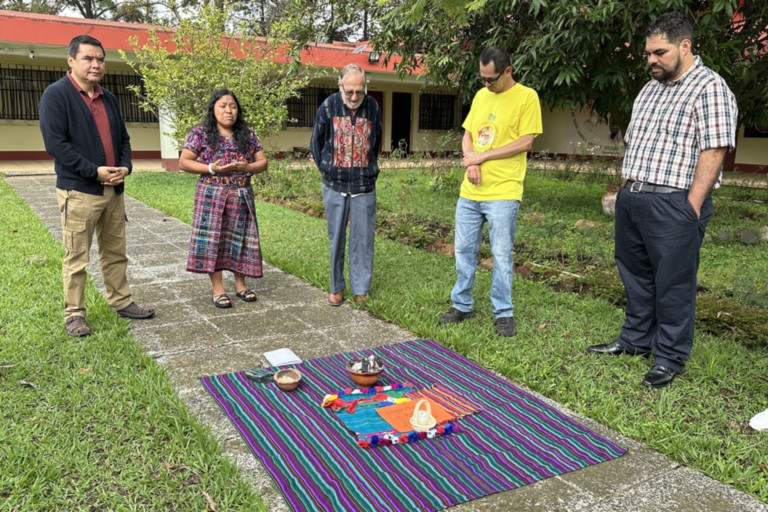
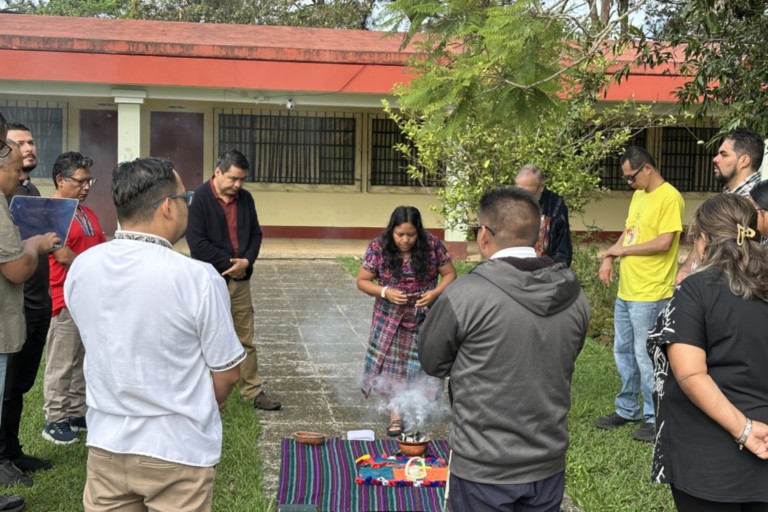
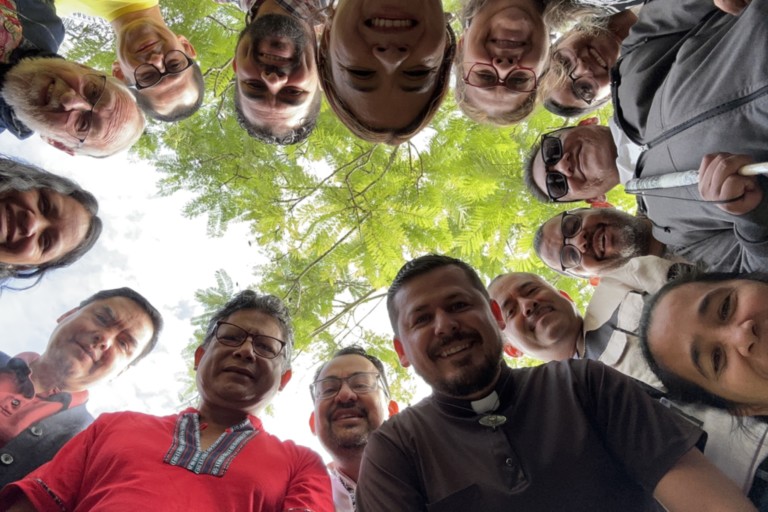
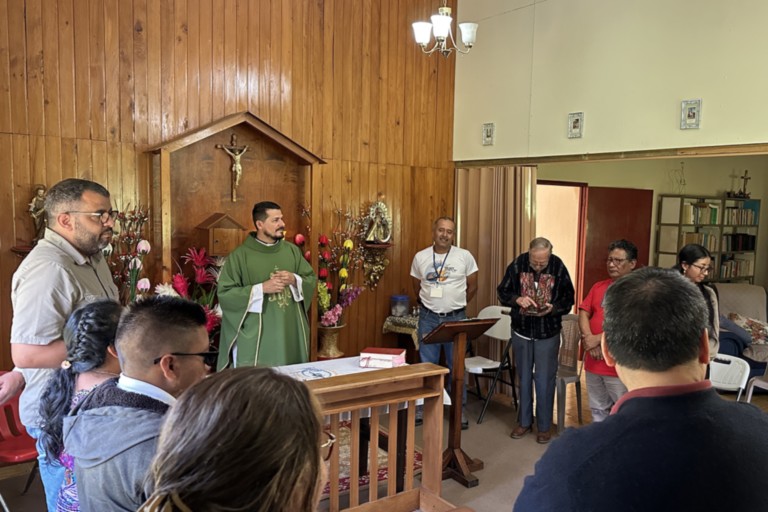
Guatemala City once again became the meeting point for those of us who work to accompany the birth, growth, and discernment of missionary vocations in Central America through the PROVAC project.
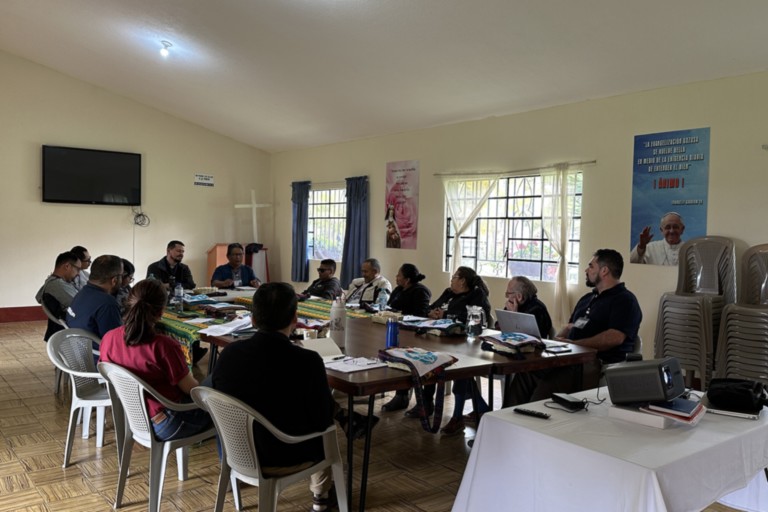
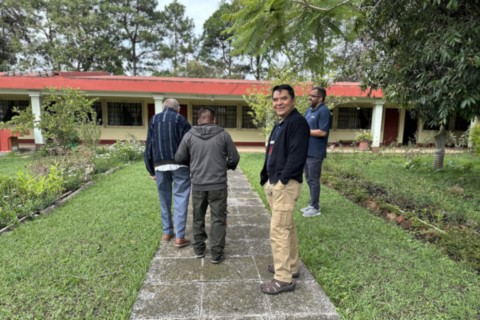
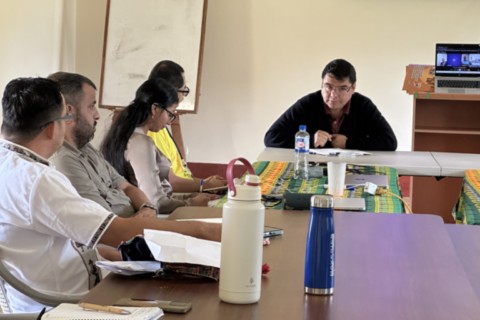
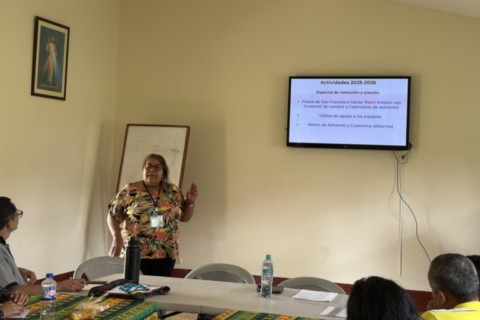
From June 12 to 14, 2026, representatives from Guatemala, Honduras, Costa Rica, and El Salvador gathered at the facilities of the Pontifical Mission Societies (PMS) in Zone 3 of Mixco for the Central American PROVAC Meeting—an annual space for evaluation, planning, formation, and fraternity, which concluded this year with participants returning to their respective countries on June 15.
le 15 juin.
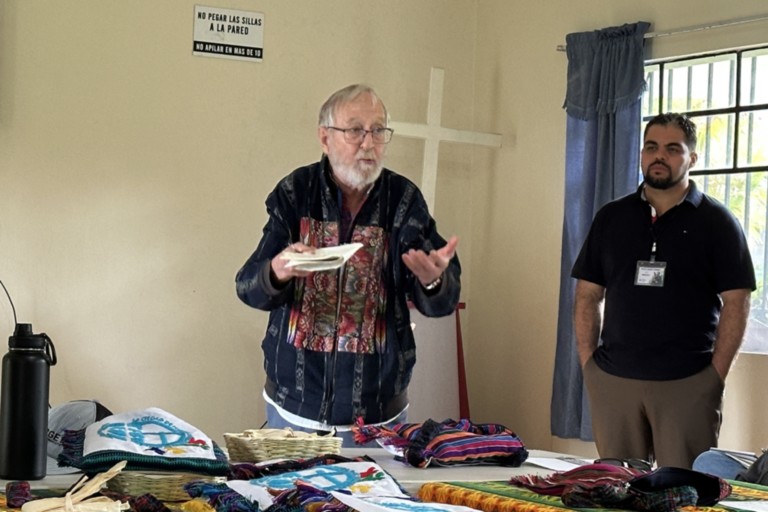
The meeting was led and animated by René Ayala, a lay missionary of the Quebec Foreign Mission Society (QFMS) and a member of the Society’s Formation Service. Also participating was Diover Zabala, a Venezuelan lay missionary currently serving in Cambodia who is presently on a sabbatical period of formation. His presence enriched the group with insights drawn from his intercultural missionary experience.
During the first day, ample time was dedicated to evaluating the work carried out during the 2025–2026 period. This process of deep and self-critical reflection allowed us to gratefully recognize the fruits that have been achieved while also identifying challenges and opportunities for improvement in the near future.
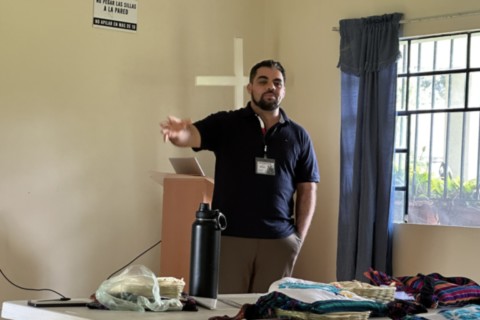
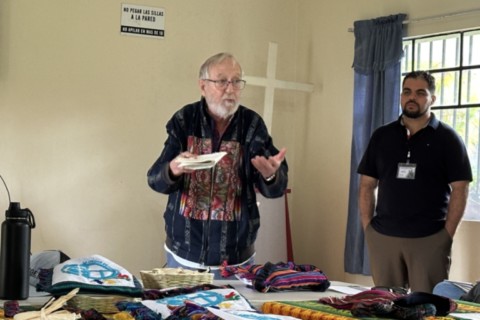
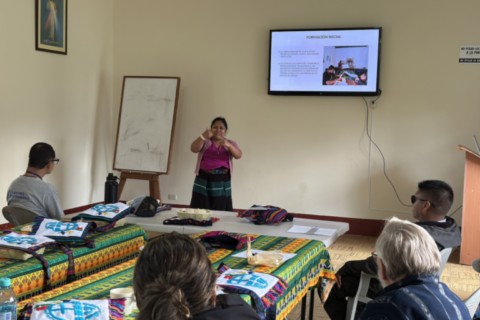
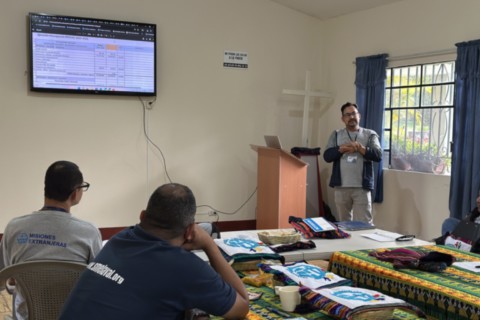
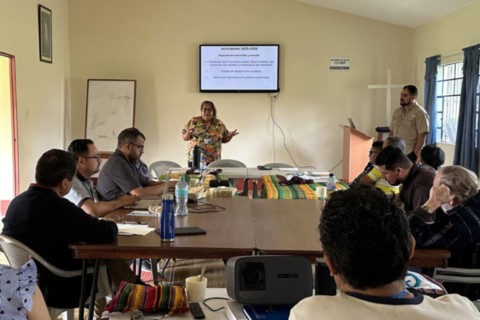
One of the highlights of the evaluation was the consolidation of the Human Vocation Workshops as one of PROVAC’s principal missionary animation tools. What began as a proposal to help people discover their vocation in a broad sense has become a privileged space for missionary animation and a strategic activity that often serves as a gateway to initial formation or the beginning of new missionary projects within the communities that welcome them. Both Guatemala and Costa Rica are already seeing concrete fruits from these initiatives, including individuals interested in initial formation and new forms of involvement with the mission of the QFMS, such as the emergence of a group of affiliates in the Diocese of San Isidro, Costa Rica.
Participants also emphasized the value and impact of the Holy Week missionary experiences, which over the past several years have strengthened the ad gentes dimension of the project. The exchange of missionaries among countries has enriched local experiences, fostered relationships with the parish communities that receive us, and even helped awaken new vocational interests. The experiences carried out in Costa Rica, Honduras, and Guatemala have left a significant mark on both participants and the communities that generously welcomed us.
The evaluation also highlighted the importance of regional virtual accompaniment meetings among the teams, Advent and Lent retreats as opportunities for prayer and spiritual strengthening for project members and friends of the QFMS, support visits between teams, and ongoing formation initiatives. Beyond the activities themselves, we recognized the value of continuing to build an environment of communion, mutual listening, and shared missionary responsibility.
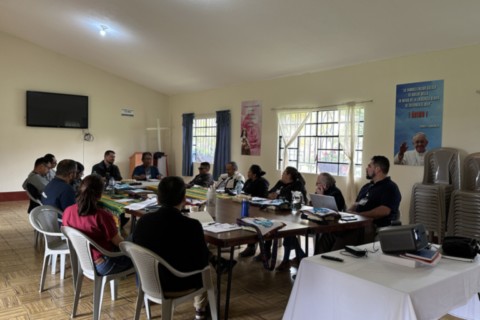
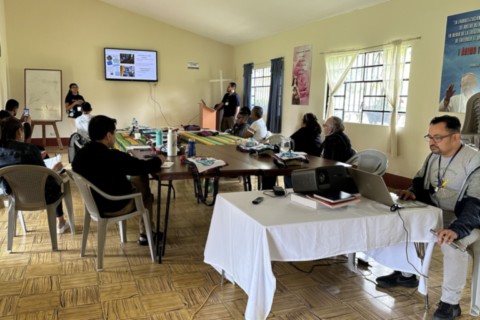
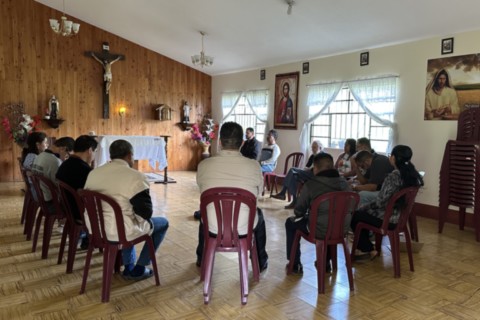
The group then turned its attention to planning for the 2026–2027 period. In light of the vision and mission of the QFMS, regional objectives were reviewed and the commitment to serve the birth, growth, and discernment of both priestly and lay missionary vocations was reaffirmed. New initiatives in ongoing formation, team accompaniment, and missionary animation were enthusiastically projected as part of our vocational ministry.
As René Ayala expressed during the gathering, the project continues to move forward steadily in Central America:
“We have been identifying more clearly the places where our work has the greatest impact and where we can best serve the local Churches while remaining faithful to our objectives. The fruits we are witnessing encourage us to keep walking together and to continue strengthening the processes of animation and formation that help people discover and live out their missionary vocation.”
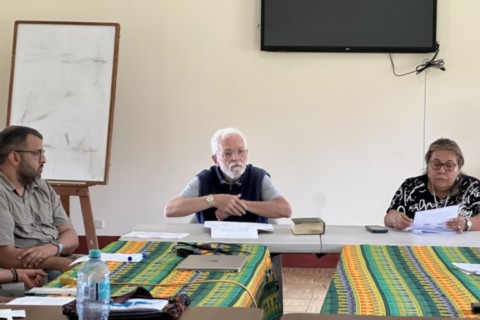
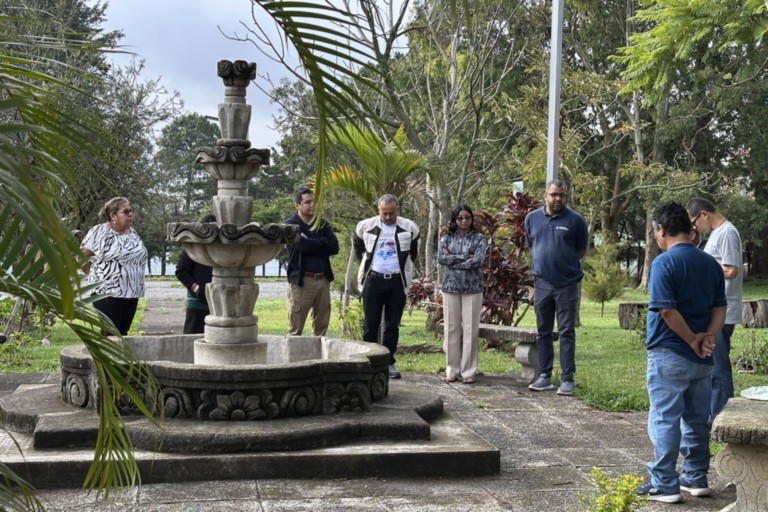
The meeting concluded with a reflection led by Father Dennis Leder, SJ, who invited participants to deepen the spiritual dimension of mission and to remain attentive to the spaces where God’s will continues to be revealed.
Beyond the evaluations, work plans, and commitments made, we returned to our countries with the certainty that the mission continues to grow thanks to the shared efforts of many people who, from different parts of Central America, continue to believe in a Church that goes forth. Fellowship, joy, prayer, and fraternity marked an intense weekend of work and reflection that renewed our enthusiasm for serving the Gospel and accompanying vocational journeys throughout the region.